

Electric Mobility Segment
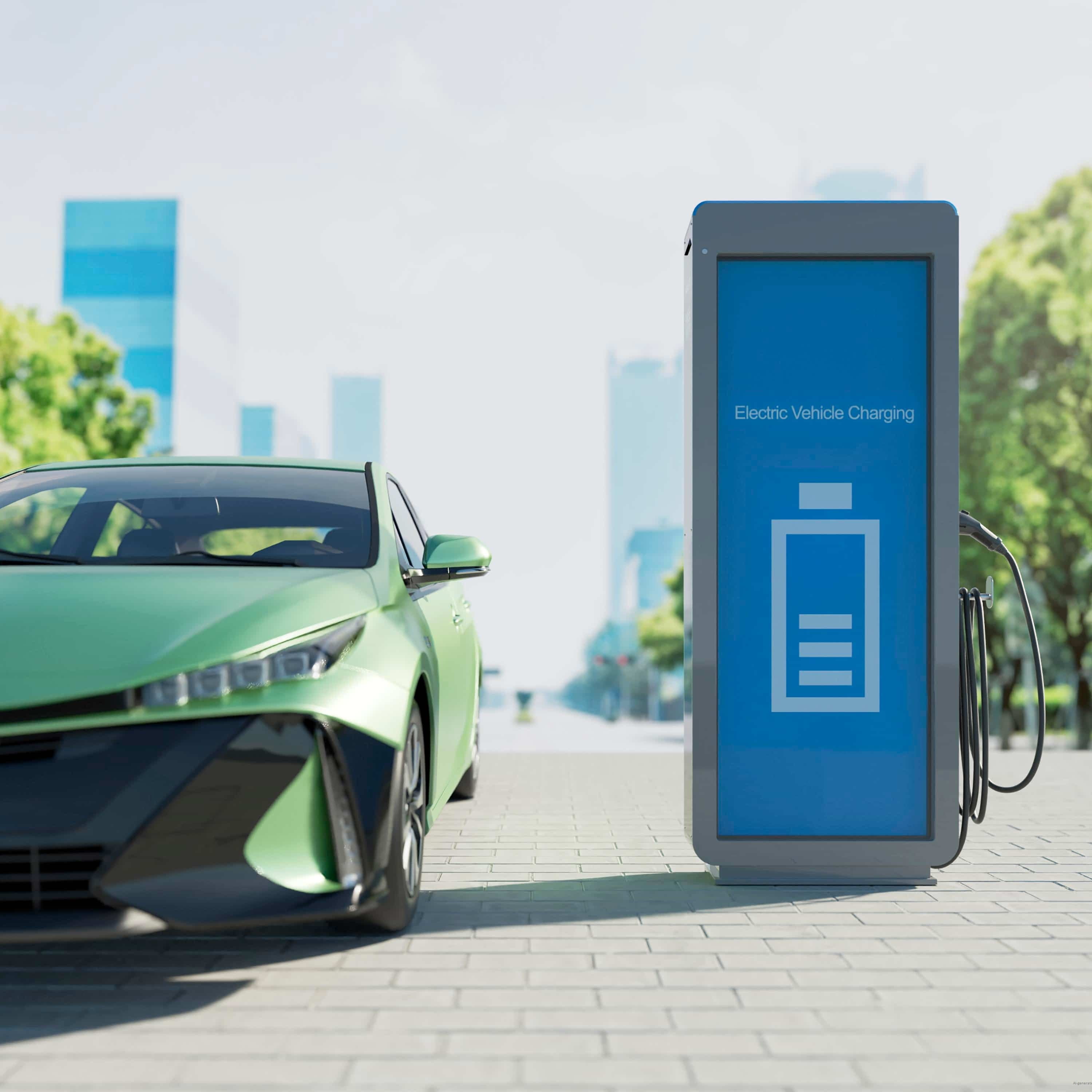
EV is an acronym for Electric Vehicles that is propelled by electric motors unlike normal internal combustion engines (ICE). The heart of an EV lies in its batteries — commonly referred to as EV batteries — from where the automobile extracts energy to power itself. Niti Aayog forecasts EV sale penetration of 80% for two and three-wheelers, 50% for four-wheelers, and 40% for buses by 2030. This presents a vast opportunity for EV Players in India.
IREDA has financed several E-Mobility projects including Electric Fleet projects, EV Manufacturing projects, Battery Swapping & Charging Infrastructure etc. in different parts of the country.
Broad Features of IREDA Financing Scheme for Electric Mobility
| Loan Quantum | Varies from project to project and risk perception. IREDA loan quantum goes up to 80% of the appraised project cost in case of EV Fleet & Charging Infrastructure proposals and 70% in case of EV Manufacturing facilities. |
|---|---|
| Loan Period |
|
| Moratorium Period |
|
| Securities | Mortgage of immovable assets, Hypothecation over movable properties and assets including plant & machinery, Charge on project cash flows/receivables, 2 Quarter DSRA. Additional securities such as Collateral security equivalent to 10% of loan amount, Corporate and/or Personal Guarantees, Pledge of shares (minimum 51%), 3rd party Guarantee, Deposit of PDCs/NACH, Demand Promissory Note, BG/FDR for not less than 10% of loan etc., are also obtained based on risk perception and as per financing norms of IREDA. |
| Interest Rate | As per the Interest rate matrix, revised from time to time and updated on IREDA's Website. |
Smart Metering / Advanced Metering Infrastructure Segment
Smart meters are advanced electricity meters that automatically capture a consumer's energy usage patterns and eliminate the need for manual meter reading. They record parameters such as energy consumption, voltage, current, and power factor, and relay this data to both consumers — who gain better visibility into their usage — and utilities, which use it for monitoring and billing. Through Advanced Metering Infrastructure (AMI), smart meters enable two-way communication with the utility, allowing real-time monitoring, grid management, and detection of outages, theft, and leakages.
Smart meters with prepaid functionality work like prepaid mobile connections: consumers recharge in advance and can better plan their electricity usage while avoiding unexpected bills. To accelerate deployment, the Government of India is implementing the Smart Meter National Programme, aiming to replace 25 crore traditional meters with smart meters.
The Revamped Distribution Sector Scheme (RDSS), launched in 2021 with a budget of ?3,03,758 crore, focuses on reducing AT&C losses to 12–15% and eliminating the ACS–ARR gap by 2024–25. As of 15th January 2026, 22,42,79,749 Smart consumer meters have been sanctioned under the RDSS scheme, out of which 15,02,04,408 have been awarded and 15,51,930 meters have been installed. Further, IREDA has financed multiple AMISPs under the RDSS scheme.
Broad Features of IREDA Financing Scheme for Smart Metering
| Loan Quantum | Up to 75% of the project cost |
|---|---|
| Loan Period | Up to 80% of the contract period with DISCOMs |
| Moratorium Period | Up to 12 months |
| Securities | Hypothecation over movable properties pertaining to smart meter project, Charge on project cash flows/receivables/escrow account, 2 Quarter DSRA, assignment of project documents, Corporate and/or Personal Guarantees, Pledge of shares (minimum 51%), Deposit of PDCs/NACH, BG/FD, Commercial/Residential Property to the extent of 15% of the loan amount as per IREDA guidelines, based on risk perception and as per financing norms of IREDA. |
| Interest Rate | As per the Interest rate matrix, revised from time to time and updated on IREDA's Website. |
Battery Energy Storage Systems (BESS)
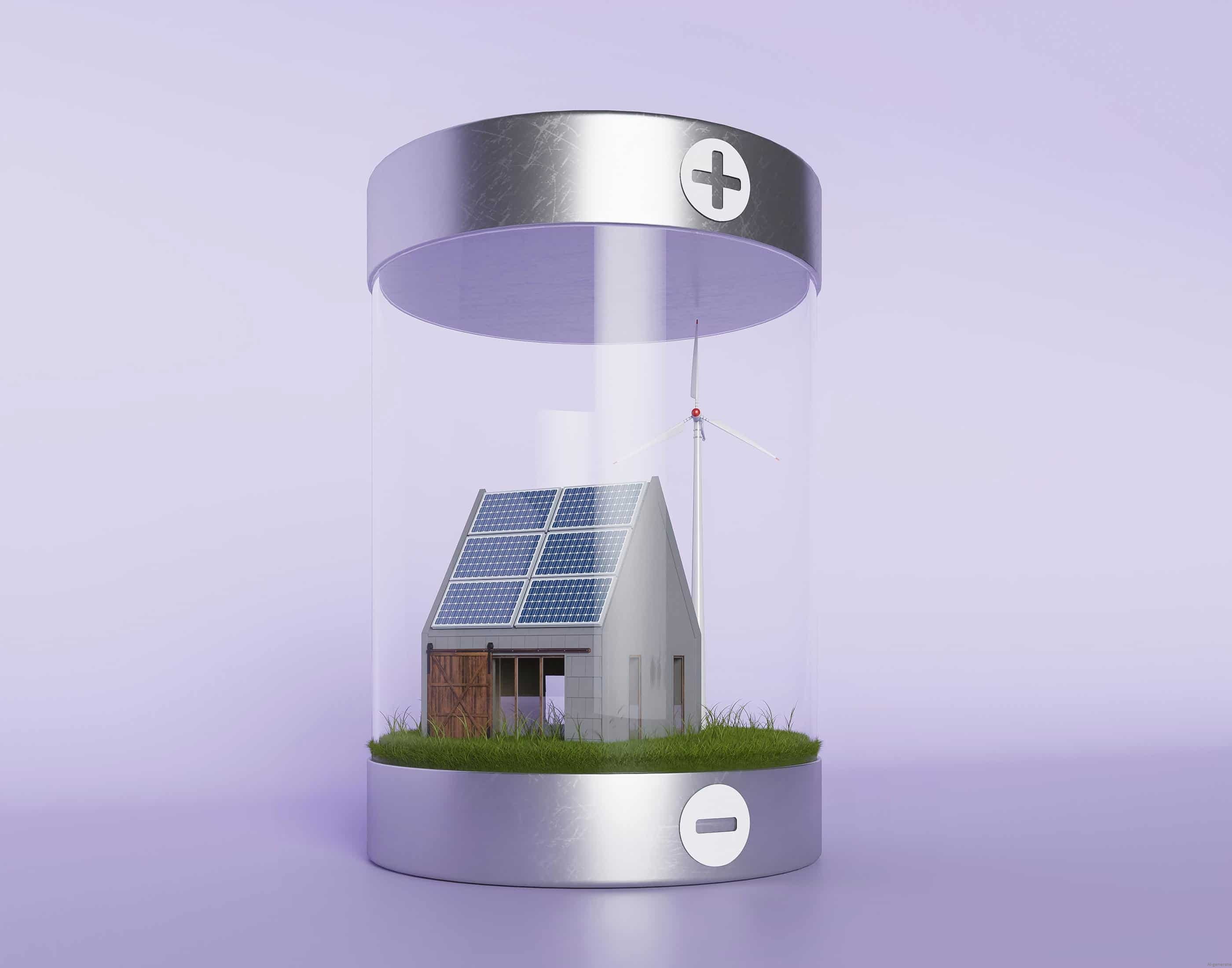
Battery Energy Storage Systems (BESS) are advanced electrochemical solutions that store electricity and enable grid-connected applications such as renewable energy (RE) integration, peak management, and flexibility enhancement. As solar and wind generation is variable and not available round the clock, Energy Storage Systems (ESS) are crucial for storing surplus power and supplying it during evening and morning peaks when renewable output is low.
ESS helps grid operators balance fluctuations in RE supply and demand, while BESS specifically improves energy security for an oil-import-dependent India, offering fast-response frequency regulation, 40–45% industrial savings through Time-of-Day optimisation, and rural electrification via solar microgrids. Most importantly, BESS enables time-shifting of intermittent RE into firm, dispatchable, round-the-clock power.
India's BESS market is valued at USD 7.8 billion (?65,130 crore) in 2024, with installed capacity rising from 51 MWh in 2023 to 442 MWh by December 2024. The CEA estimates that 74 GW / 411 GWh of energy storage will be required by 2032 to support the national goal of 500 GW non-fossil capacity. To promote deployment, the Government of India has launched a 4,000 MWh BESS VGF scheme offering up to 40% capital cost support, with an outlay of ?9,400 crore.
Green Hydrogen & Its Derivatives
Green hydrogen shall mean hydrogen produced using renewable energy, including but not limited to production through electrolysis or conversion of biomass.
For Green Hydrogen produced through electrolysis: The non-biogenic greenhouse gas emissions arising from water treatment, electrolysis, gas purification, drying and compression of hydrogen shall not be greater than 2 kg CO2-eq per kg of Hydrogen, taken as an average over last 12-month period.
For Green Hydrogen produced through conversion of biomass: The non-biogenic greenhouse gas emissions arising from biomass processing, heat/steam generation, conversion of biomass to hydrogen, gas purification, drying and compression of hydrogen shall not be greater than 2 kg CO2-eq per kg of Hydrogen, taken as an average over last 12-month period.
Broad IREDA Financing Guidelines for BESS / Green Hydrogen & Its Derivatives
| Loan Quantum | Up to 70% of the project cost |
|---|---|
| Loan Period |
|
| Moratorium Period | Up to 1.5 years |
| Securities | Mortgage of immovable property; hypothecation of all movable assets; charge over project cash flow stream including revenues, receivables and book debts; assignment of applicable rights; establishment of DSRA per current guidelines; creation of TRA or Special Bank Account for direct appropriation of sale proceeds; 20% of loan amount in form of BG/FD, Commercial/Residential Property as per project strength; any additional security as mandated by IREDA guidelines. |
| Interest Rate | As per the Interest rate matrix, revised from time to time and updated on IREDA's Website. |
Contact Officers
| Sl. No. | Name | Designation | Email Id | Mobile No. |
|---|---|---|---|---|
| 1 | Koushik Goswami | General Manager | koushik@ireda.in | 91-11-24347729 |
| 2 | Poorva Mathur | Chief Manager | sharmapoorva@ireda.in | 91-11-24347729 |
| 3 | Abhishek Kumar | Senior Manager | abhishekkumar@ireda.in | 91-11-24347729 |
| 4 | Naman Rawat | Manager | naman@ireda.in | 91-11-24347729 |