
Biomass — An Alternative Source of Energy
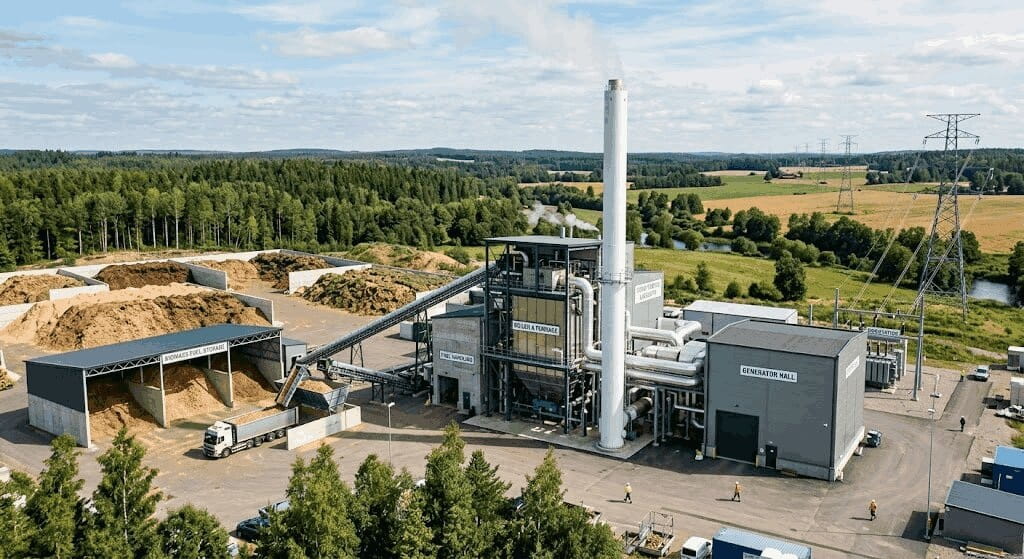
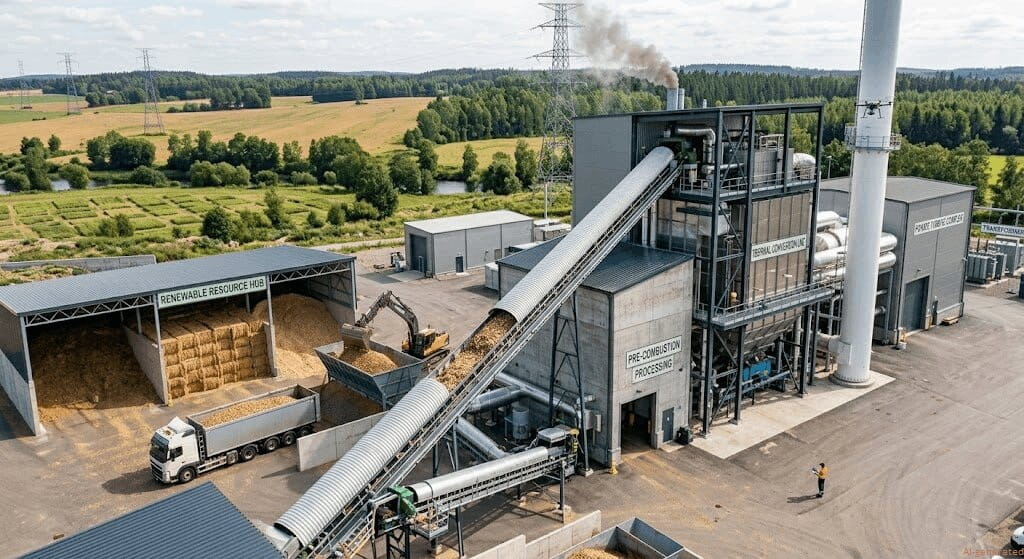
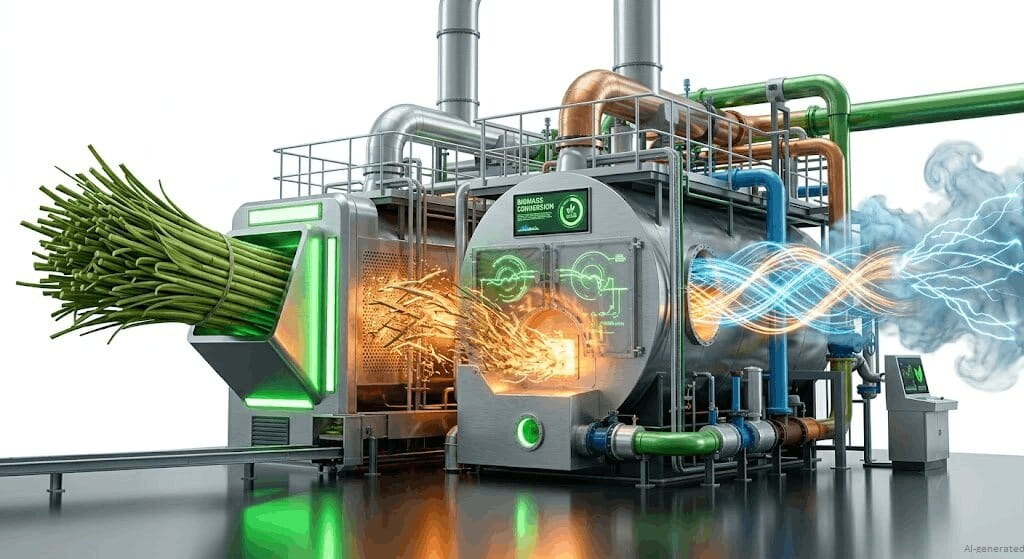
Biomass being a product of natural resources viz. land, water, air and sun's energy, gives much hope as an alternative, reliable and renewable source of energy. Biomass is an organic matter produced by plants, both terrestrial and aquatic and their derivatives. Plant materials use the sun's energy to convert atmospheric carbon-dioxide to sugars during photosynthesis. On combustion of Biomass, energy is released as the sugars are converted back to carbon-dioxide. Thus energy is harnessed and released in a short time frame, making Biomass a renewable energy source.
Currently, Biomass contributes 14% of the total energy supply worldwide and 38% of this energy is consumed in developing countries, predominantly in the rural and traditional sectors of the economy.
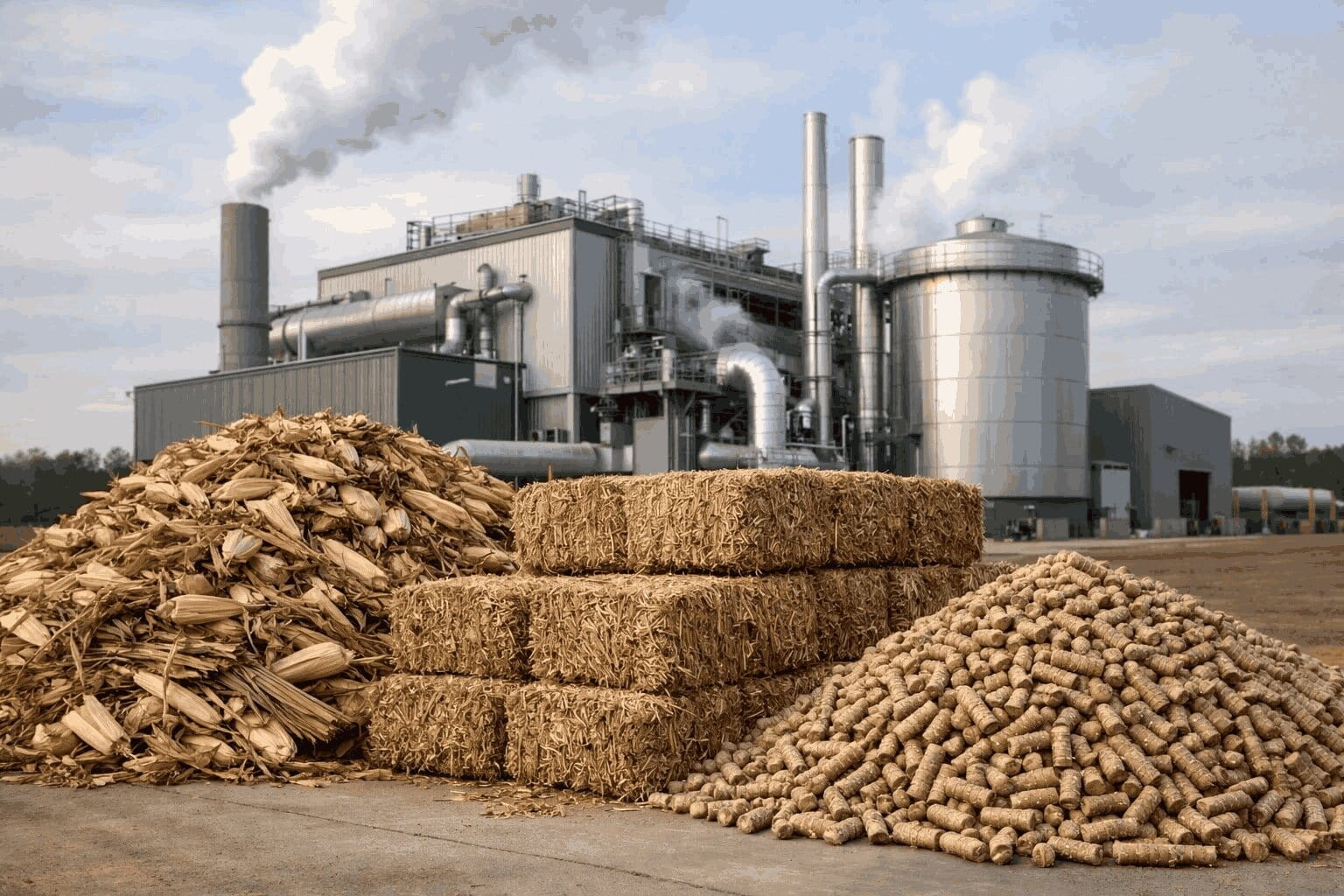
Biomass Feedstock Categories
| S.No. | Category | Resources |
|---|---|---|
| 1 | Crop Residue | Bagasse, Corn stalk, Rice hulls & Rice-straw, wheat straw, Nutshells |
| 2 | Animal Waste | Animal excrement (manure), Animal by-product from processing |
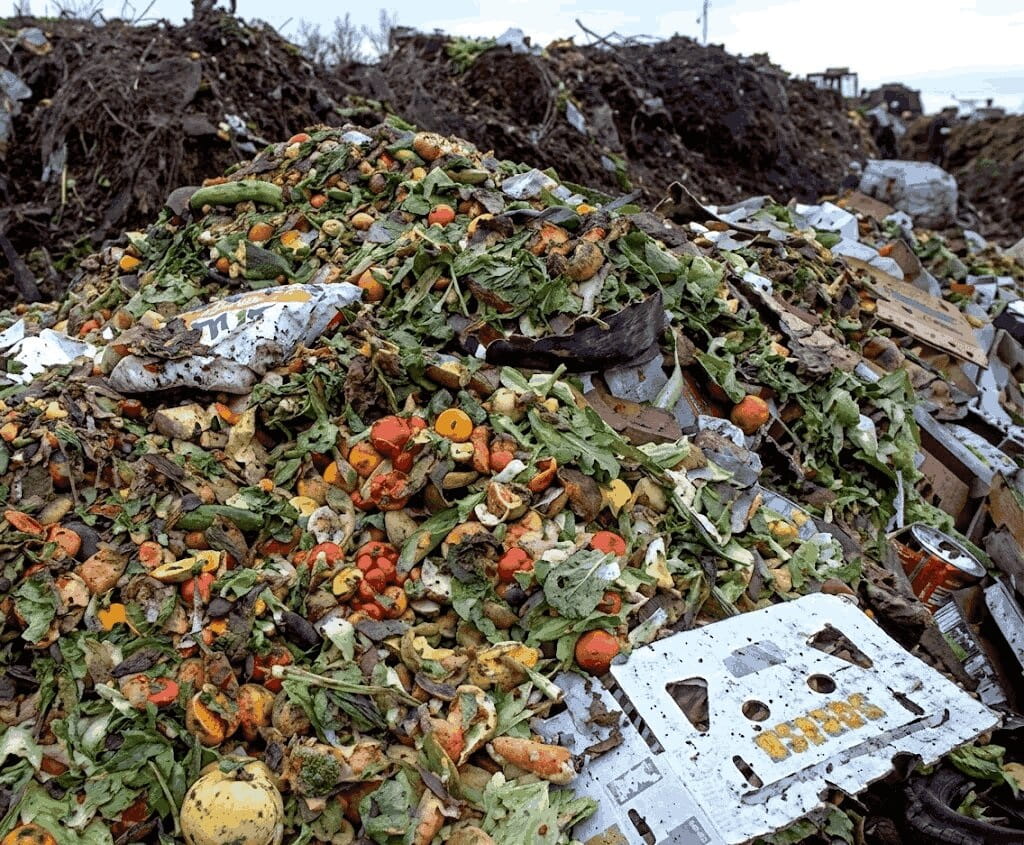
| 3 | Food Processing Waste | Potato waste, Cheese whey waste, Fruit pits, Leftover sludge and other energy-rich FPW |
| 4 | Wood Waste | Any type of wood or wood-based product |
Biomass Potential in India
With an estimated production of about 460 million tonnes of agricultural waste every year, Biomass is capable of supplementing coal to the tune of about 260 million tonnes, resulting in a saving of about Rs. 250 billion every year.
| Biomass Energy Source | Estimated Potential |
|---|---|
| Biomass Energy | 16,000 MW |
| Bagasse Co-Generation | 3,500 MW |
| Total | 19,500 MW |
Scheme Available
- IREDA shall finance not more than one independent Biomass Power Project in a radius of 50 KM, whether funded by IREDA / other FIs / Banks.
- For Biomass direct combustion power projects, IREDA's loan exposure may be limited up to 50% of project cost.
- Projects exceeding 7.5 MW up to maximum of 10 MW considered on case to case basis. The loan from IREDA shall not exceed loan for 7.5 MW of the project.
- Projects exceeding 7.5 MW may be considered on a 70:30 debt equity ratio up to 50% of project cost, subject to promoter bringing in upfront 75% of their contribution.
Contact Officers
| Sl. No. | Name | Designation | Email Id | Mobile No. |
|---|---|---|---|---|
| 1 | Ajit Singh | Chief Manager | ajitsingh@ireda.in | 91-11-24347729 - 99 |
| 2 | Sanchit Singhal | Senior Manager | sanchitsinghal@ireda.in | 91-11-24347729 - 99 |
| 3 | Braja Nandan Sahoo | Senior Manager | brajanandan@ireda.in | 91-11-24347729 - 99 |
| 4 | Dwijesh Kumar Singh | Manager | dwijesh@ireda.in | 91-11-24347729 - 99 |
| 5 | Vedprakash Chauhan | Manager | vedprakash@ireda.in | 91-11-24347729 - 99 |
| 6 | Aditi Das | Deputy Manager | aditi@ireda.in | 91-11-24347729 - 99 |
| 7 | Siddharth Nair | Executive Trainee | siddharthnair@ireda.in | 91-11-24347729 - 99 |
| 8 | Shahzeb Zahiry | Executive Trainee | shahzeb@ireda.in | 91-11-24347729 - 99 |
| 9 | Obuli Shankar J | Executive Trainee | obuliShankarJ@ireda.in | 91-11-24347729 - 99 |
Bio Ethanol — Molasses Fermentation
Ethanol being a renewable resource of energy is probably a cleaner alternative to fossil fuels. Demand for Ethanol is increasing day by day due to its versatile application and utility. To meet the acing demands, production of Ethyl Alcohol or Ethanol through fermentation is gaining momentum and acclamation globally.
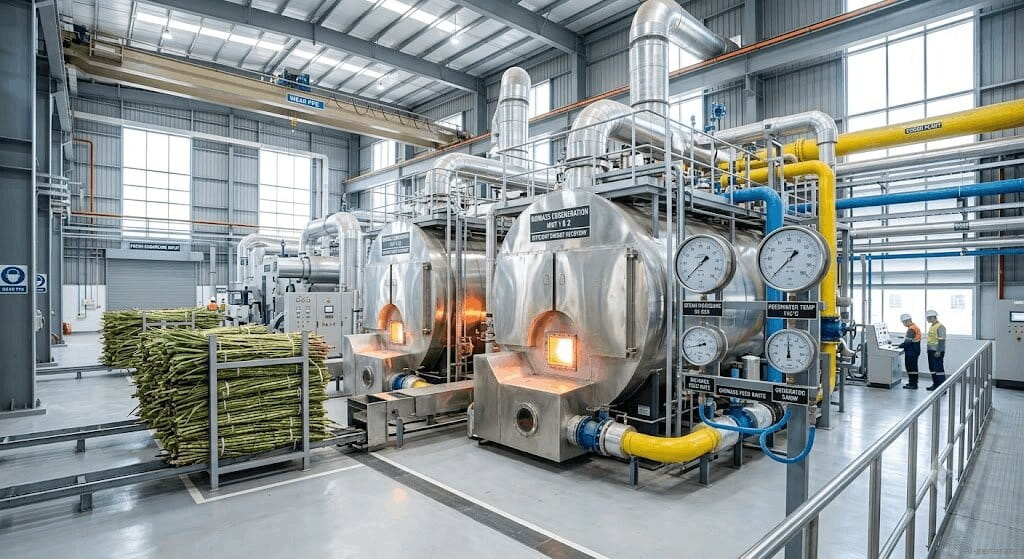
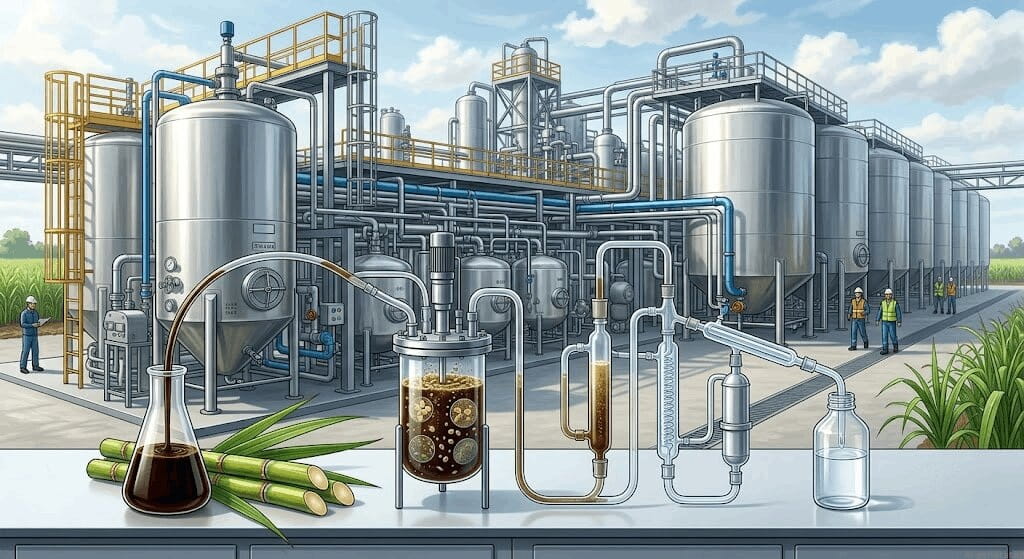
At industrial level, ethanol is prepared by molasses fermentation. A residue begotten from sugar cane processing, molasses is the mother liquor left after crystallization of sugarcane juice. It is a dark colored viscous liquid that contains approximately 40 to 50% fermentable sugar. Being one of the earliest biotechnologies used by humans for the production of Ethanol, molasses Fermentation is also the most cost-effective way.
Other than the formation of ethyl alcohol or ethanol, molasses is a microbiological energy source that helps in the process of growing yeast, bacteria and moulds. Not only is it the most cost-effective amongst the available energy sources for such industries but is also the easiest to incorporate in fermentation processes. A sound source of B Vitamins and biotin in molasses hastens fermentation processes that help in faster ethanol production.
Molasses Fermentation is a biological process in which sucrose from molasses is converted into cellular energy that eventually produces ethanol and carbon dioxide. Molasses from sugarcane or sugar imparts an appropriate substrate for ethanol production. They are the basic sources of Sucrose (C12H22O11) which is present in them in concentrated sugar form. Only 50% of molasses contains eminent reducing sugars that prove useful in the fermentation process. Molasses constitutes many fermentable and un-fermentable sugars with traces of Nitrogen, Phosphorus, Solid Sludge and Ash. Fermentable sugars are directly used during Molasses fermentation, while the un-fermentable sugars like Starch, Cellulose or Pectins can be used only after being hydrolyzed. With the help of apposite enzymes and reactions, Ethanol is formed. The Ethanol begotten from the whole process is used in the form of absolute or rectified spirit.
Raw Materials / Substrates
Sector Specific Statutory Requirements
- Environmental Clearance from Ministry of Environment & Forests
- Clearance from Central / State Excise department for production of Ethanol
- Project clearance from Pollution Control Board
- Industrial Entrepreneur Memorandum (IEM) from Ministry of Commerce & Industry, Government of India
Contact Officers
| Sl. No. | Name | Designation | Email Id | Mobile No. |
|---|---|---|---|---|
| 1 | Ajit Singh | Chief Manager | ajitsingh@ireda.in | 91-11-24347729 - 99 |
| 2 | Sanchit Singhal | Senior Manager | sanchitsinghal@ireda.in | 91-11-24347729 - 99 |
| 3 | Braja Nandan Sahoo | Senior Manager | brajanandan@ireda.in | 91-11-24347729 - 99 |
| 4 | Dwijesh Kumar Singh | Manager | dwijesh@ireda.in | 91-11-24347729 - 99 |
| 5 | Vedprakash Chauhan | Manager | vedprakash@ireda.in | 91-11-24347729 - 99 |
| 6 | Aditi Das | Deputy Manager | aditi@ireda.in | 91-11-24347729 - 99 |
| 7 | Siddharth Nair | Executive Trainee | siddharthnair@ireda.in | 91-11-24347729 - 99 |
| 8 | Shahzeb Zahiry | Executive Trainee | shahzeb@ireda.in | 91-11-24347729 - 99 |
| 9 | Obuli Shankar J | Executive Trainee | obuliShankarJ@ireda.in | 91-11-24347729 - 99 |
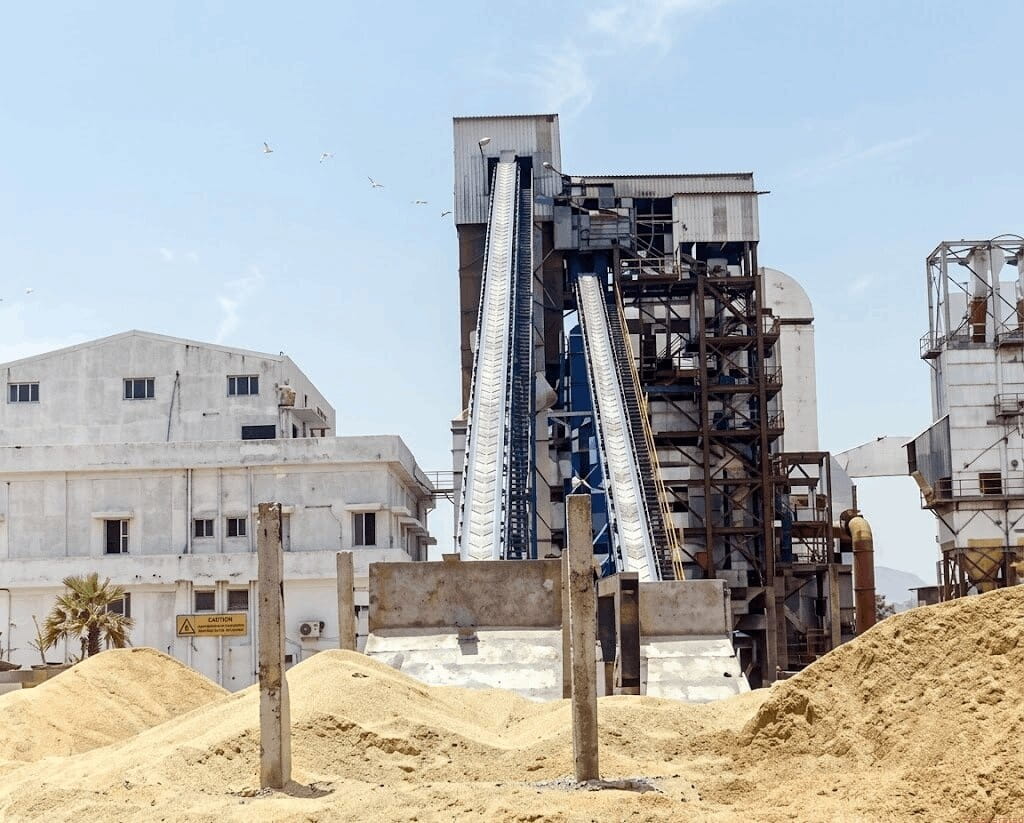
Bagasse Based Cogeneration — Scheme Norms
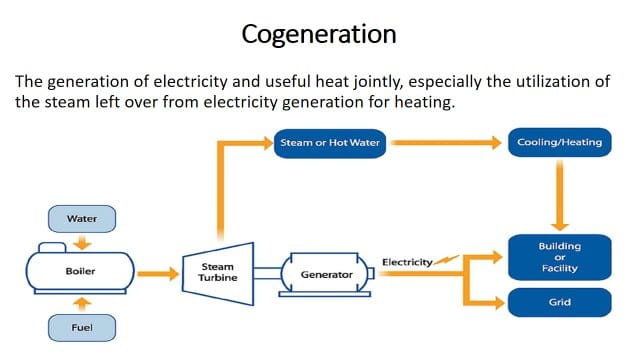
- Use of high energy efficient equipment in sugar / paper mills for supporting Co-generation projects are encouraged.
- In case of Sugar Mill, the minimum size of Sugar Plant should be 2500 TCD.
- If alternate fuel is required for extension of operating days in a year, fossil fuels up to 15% of annual fuel consumption is allowed.
- In case of project size up to 5.0 MW (except sugar industry), the minimum applicable boiler pressure will be 42 kg/cm².
- In case of project size above 5.0 MW (both for Sugar and Non-Sugar Industry), the minimum applicable boiler pressure will be 63 kg/cm².
Contact Officers
| Sl. No. | Name | Designation | Email Id | Mobile No. |
|---|---|---|---|---|
| 1 | Ajit Singh | Chief Manager | ajitsingh@ireda.in | 91-11-24347729 - 99 |
| 2 | Sanchit Singhal | Senior Manager | sanchitsinghal@ireda.in | 91-11-24347729 - 99 |
| 3 | Braja Nandan Sahoo | Senior Manager | brajanandan@ireda.in | 91-11-24347729 - 99 |
| 4 | Dwijesh Kumar Singh | Manager | dwijesh@ireda.in | 91-11-24347729 - 99 |
| 5 | Vedprakash Chauhan | Manager | vedprakash@ireda.in | 91-11-24347729 - 99 |
| 6 | Aditi Das | Deputy Manager | aditi@ireda.in | 91-11-24347729 - 99 |
| 7 | Siddharth Nair | Executive Trainee | siddharthnair@ireda.in | 91-11-24347729 - 99 |
| 8 | Shahzeb Zahiry | Executive Trainee | shahzeb@ireda.in | 91-11-24347729 - 99 |
| 9 | Obuli Shankar J | Executive Trainee | obuliShankarJ@ireda.in | 91-11-24347729 - 99 |